Connecticut grew tobacco on 3,056 acres in 2022, across 44 farms, according to the USDA's Census of Agriculture. That strip of river valley in Connecticut and Massachusetts is the American home of Connecticut broadleaf, the thick, dark leaf that wraps a large share of the maduro cigars sold in this country.
It's a small number, and it points the opposite way from the story you get at the counter. Broadleaf acreage in the valley did not collapse. It grew. The census put Connecticut tobacco at 3,056 acres in 2022 against 2,204 in 2017, a rise of about 39% in five years, on the same federal count.
So the shorthand that comes attached to the price increase, that the broadleaf isn't there anymore and the cost has to follow, doesn't survive five minutes with the government data.
The maduro squeeze does exist. It's also narrower and stranger than the shorthand makes it sound. Connecticut broadleaf is expensive because it's hard to grow and harder to handle, and the cigars actually built on it have climbed in price. But most maduros never touched a Connecticut leaf. They wear Mexican or Nicaraguan wrappers, and the reasons their prices move have little to do with a barn in the Connecticut River Valley.
I write a weekly Cigar Industry Brief, pulled mostly from PCA dispatches and FDA filings, and the broadleaf line has landed in my inbox more times than I can count over the last two years. Most trade publications recycle that line and run it as reporting. It's the most repeated, least examined claim in the category right now. Here's what the numbers actually support.
The seed already left Connecticut
Start with a document almost nobody outside the crop-insurance world reads. In January 2025 the USDA's Risk Management Agency issued an actuarial change for "Connecticut Broadleaf Tobacco/Cigar Type Tobacco." The states it covers are North Carolina and Virginia.
Read that again. The federal government writes crop insurance for Connecticut broadleaf grown several hundred miles south of Connecticut.
The name has quietly become a seed variety rather than a postal address. Growers in the Carolinas and Virginia, where tobacco labor and curing barns already exist from the cigarette century, have been planting the Connecticut broadleaf type and fermenting it dark. In the valley itself the constraint was never know-how; it is land, where every tobacco acre competes with housing and a short New England summer. The leaf coming off those southern fields is not identical to valley-grown broadleaf, and blenders will argue the difference for an hour if you let them. But it's the same plant, and it's the real release valve on a wrapper everybody calls scarce.
Supply and price stop matching at exactly that point. When a wrapper can only come from one weather-exposed valley, a single bad August sets the year's price. When the same varietal also grows across three states, the base widens and one storm matters less. The migration south is the market doing what markets do when a crop is tight and demand holds steady: it goes looking for more dirt.
"Maduro" Isn't One Wrapper. It's at Least Four.
Part of why the broadleaf story travels so easily is that most smokers treat maduro as one thing. It isn't. Maduro names a color and a long fermentation, not a place of origin. Connecticut broadleaf is one road to that dark, sweet leaf. It's not the only road, and on the shelf it's nowhere near the most common one.
Here is the same word across four different fields. Wrapper origins below come from each cigar's catalog listing.
| Maduro wrapper | Primary growing region | Example on the shelf |
|---|---|---|
| Connecticut broadleaf | Connecticut River Valley (CT, MA); now also NC and VA | Tatuaje Cojonu Broadleaf |
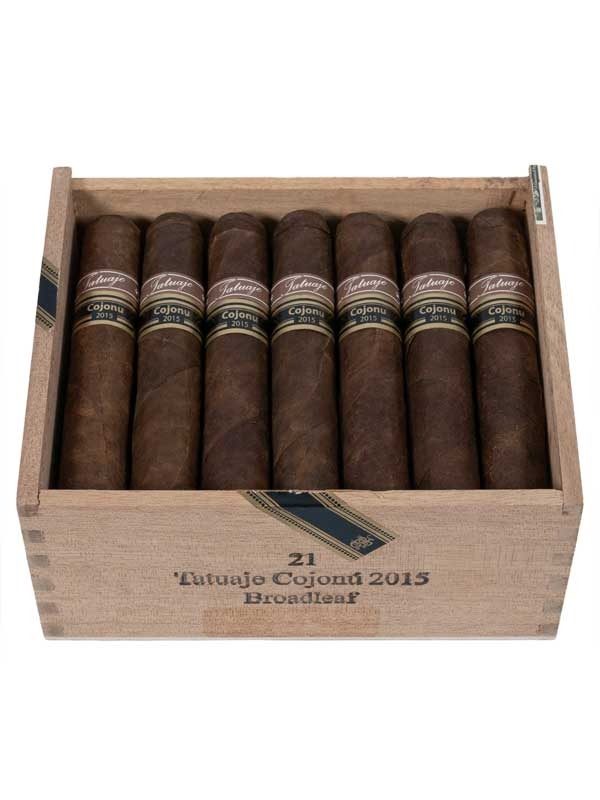
| Nicaraguan broadleaf | Esteli and Jalapa, Nicaragua | Tatuaje Cojonu Broadleaf 2015 |
| Mexican San Andres | San Andres Valley, Mexico | Oliva Serie V Melanio Maduro No. 4 |
| Nicaraguan sun-grown maduro | Esteli, Nicaragua | Padron Family Reserve Maduro |
Look at the first two rows. Same brand, same blend name, same factory in Nicaragua. One wears Connecticut broadleaf and the other wears a Nicaraguan-grown broadleaf that Pete Johnson's Tatuaje line has reached for when the Connecticut leaf was scarce or dear. The substitution isn't a secret. It's printed on the band.
And that's the tell the price tags hide. A category that couldn't source dark wrapper wouldn't have four parallel supply chains running at once. It has them because the people who actually buy leaf solved the broadleaf problem years ago, by not depending on broadleaf.
Why the Connecticut leaf costs what it does
None of this means Connecticut broadleaf is cheap, or that the houses still using it are bluffing. The valley leaf earns its premium the hard way.
Broadleaf is sun-grown, not tented like the pale Connecticut shade wrapper that goes on milder, lighter cigars (a different leaf entirely, from the same valley). Growers cut the whole stalk at once and hang it to cure, then ferment it long and hot until it turns the deep brown the maduro category is named for. Connecticut and Massachusetts together still produced more than 6 million pounds of tobacco in 2022, on the USDA's count, but wrapper-grade leaf is a thin slice of any harvest, and broadleaf wrapper is oily, fussy, and quick to tear. Each cured leaf is then sorted by hand for the clean, unblemished sheets a wrapper demands, and whatever fails that grade falls back into binder or filler.
That fragility isn't abstract. A 2024-box Tatuaje Cojonu Broadleaf I bought last December split along the wrapper seam after about three weeks in a cabinet I had let drift down to 65% RH. Broadleaf is thick and oily, and when it dries even slightly it cracks instead of flexing. The leaf that gives maduro its sweetness is also the one most likely to fail on the bench, and that loss rate is built into the price.
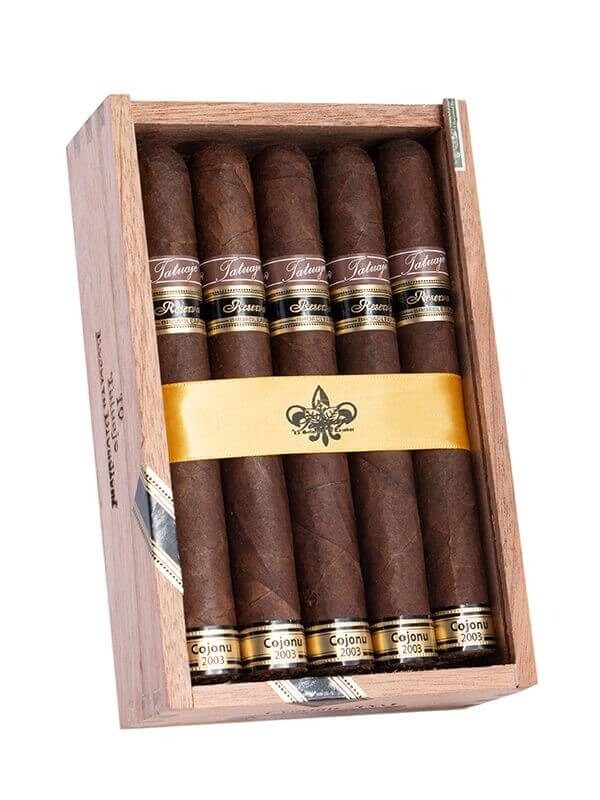
So the premium on a true Connecticut-broadleaf stick is defensible. What's harder to defend is borrowing that premium to explain a price jump on a cigar wrapped in something else.
The substitution is already on your shelf
Walk the maduro section and most of what you will find is not valley broadleaf. The dark wrapper doing the most work in American humidors is Mexican San Andres, grown in a Mexican valley with its own long fermentation tradition and its own price line that has nothing to do with Connecticut weather.
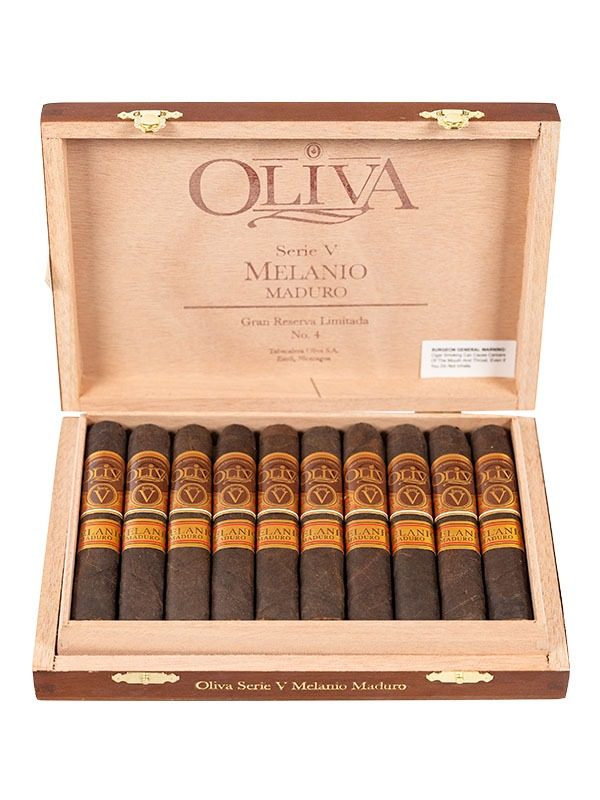
Oliva's Serie V Melanio Maduro No. 4 is a clean case. Its catalog listing names a Mexican San Andres maduro wrapper over Nicaraguan tobacco, with no Connecticut leaf in the blend. Drew Estate's Undercrown Maduro built a following on San Andres as well. When a clerk tells you maduro got expensive because broadleaf ran short, and the cigar in your hand is wrapped in Mexican leaf, the explanation and the product have come unstuck. Why would a San Andres cigar carry a Connecticut price story?
The Nicaraguan end of the shelf tells the same story. Padron, hand crafted since 1964 by its own account, builds its maduros from Nicaraguan tobacco rather than Connecticut broadleaf (a Nicaraguan puro, top to bottom). Aganorsa Leaf grows its own Nicaraguan leaf for its Aniversario Maduro. Honduras-based Oscar Valladares wraps its value-priced Super Fly in dark leaf with no Connecticut content at all. These are the maduros most people actually take home, and the Connecticut broadleaf supply has nothing to do with their cost line.
What's moving those prices is the same set of costs moving every cigar's price: freight, tariffs, insurance, and labor. In the Premium Cigar Association's 2026 survey of the trade, retailers named tariffs, pricing pressures, and operational costs as their top concerns, and the association noted shops are now treated as high-risk by insurers. None of those line items is as romantic as a Connecticut barn, which is exactly why the barn keeps getting the credit. A colleague here has already taken apart the broader version of that move, the claim that an aged-tobacco shortage explains the whole invoice, and the survey data she pulled cuts the same way.
I have to be careful here, because I've reached for the clean story before and paid for it. In late 2024 I chased a rumor that Padron had quietly reformulated a line, ran it off a single anonymous source, and pulled it within hours when the source turned out to be a competitor seeding a smear. The lesson held: the tidiest narrative is usually the one to distrust. So let me mark the limits plainly. Not every maduro price increase is a dodge, and a cigar genuinely built on Connecticut broadleaf is the exception this argument leaves alone: it does cost more to make than it did three years ago, and a blend that leans on scarce valley leaf will keep climbing. The doubt is aimed at the maduros invoking a wrapper they never used, not at the ones that earn the line.
What to watch
Three things will tell you where maduro pricing goes over the next couple of years.
First, the southern acreage. If North Carolina and Virginia broadleaf keeps expanding under USDA insurance, the scarce-wrapper argument gets harder to make with a straight face, and the cigars built on real valley leaf may start advertising the distinction the way single-vineyard wine does.
Second, the bands. Watch how many maduros slide from Connecticut to Pennsylvania or Nicaraguan broadleaf without changing the name on the box. Tatuaje labels the difference. Plenty of brands won't, and you generally can't get a straight answer about a wrapper swap unless it's printed in front of you. And if a company won't respond, the article says so, by name.
Third, the disclosure itself. When we link to a specific product, we link to a retailer our writers think charges a fair price for it, and a fair price is one you can take apart, wrapper and freight and labor and all. If you want a read on which dark wrappers the market is rewarding rather than which barn the marketing favors, the highest-rated maduros on the shelf are a better signal than any shortage headline.
The 3,056 acres were never going to be the whole answer. They're a convenient one. Ask a maker what's really on the wrapper, and whether the new price reflects the leaf or the freight, and the ones who answer plainly are telling you something the silence on the others won't.
Sources & Notes
- USDA National Agricultural Statistics Service, 2022 Census of Agriculture, Connecticut county and state data: tobacco at 3,056 acres across 44 farms in 2022, up from 2,204 acres in 2017, with more than 6 million pounds produced. USDA NASS 2022 Census, Connecticut profile.
- USDA Risk Management Agency, "2025 Requests for Actuarial Change for Connecticut Broadleaf Tobacco/Cigar Type Tobacco," effective January 6, 2025, listing North Carolina and Virginia as the covered states. USDA RMA actuarial change notice.
- Premium Cigar Association, 2026 retailer and manufacturer survey: tariffs, pricing pressures, and operational costs named as top retailer concerns, with insurers treating tobacco shops as high-risk. PCA 2026 survey summary.
- Padron Cigars, official site: "Hand Crafted, Est. 1964." padron.com.
- Wrapper origins for the cigars named above are from their catalog listings (Tatuaje Cojonu Broadleaf, Connecticut broadleaf; Tatuaje Cojonu Broadleaf 2015, Nicaraguan broadleaf; Oliva Serie V Melanio Maduro No. 4, Mexican San Andres).