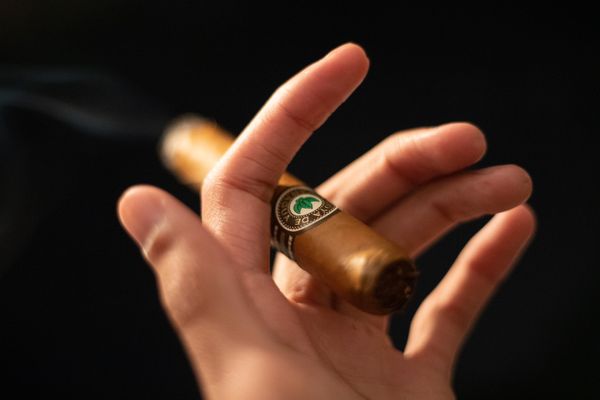
Late March in Charleston, a Thursday that couldn't make up its mind about rain, and I was on a friend's back porch off Rutledge with a Davidoff Signature 2000 going soft and slow in the wet air. A finger of Amontillado sat on the rail, warming past where I'd have wanted it. Two of us, not saying much. The cigar never asked to be talked about, and that turns out to be most of what I have to say about it.
Davidoff makes a great many cigars now, and most of the ones people chase are built to be noticed: the whisky-barrel releases, the black-band limited runs, the boxes that cost what dinner for four costs (and I mean a real dinner, with wine). The Signature 2000 is the opposite of all that. It's the pale White Band corona, the brand's bestselling cigar worldwide by Davidoff's own account, and it's the one I'd put in the hand of anyone asking what the fuss over Geneva actually amounts to.
My case is simple, and I'll stand on it. If you're going to start a Davidoff Signature habit, or any Davidoff habit at all, begin at the mild end. Not because mild is safe. Because the mild end is the only place the whole Geneva pitch gets tested in the open. Precision. Consistency. Whether a quiet, pale cigar can still hold a table after the loud flavors have worn everyone out. The strong stuff hides its rough edges behind power. A White Band corona has nowhere to hide.
What the pale wrapper actually gives you
Davidoff's own copy on the Signature 2000 promises "clean, balanced flavours of wood, earth" with "fresh floral scents and a creamy aftertaste," and for once the marketing isn't lying so much as sanding the edges off what it describes. What I get, smoke after smoke, is cut hay and warm cream at the light, then a dry cedar that comes in around the midpoint, and a late sweetness closer to the crust of an almond cake than to sugar. It doesn't punch. It layers, and it layers quietly enough that if you talk over it, you'll lose the whole middle third and never know you did.
The Amontillado on the rail wasn't an accident, though the warmth was. A dry, nutty sherry meets the Signature where it lives, both of them running on almond and old wood, neither one trying to win. I've had the 2000 behind black coffee that was too bright and watched the cigar go sour; I've had it with a flat white and lost the cedar under the milk. Sherry works. So does plain, slightly stale drip coffee, the kind that sits on a burner at a diner counter at seven in the morning. Pairings that get written up as elegant usually aren't. The good ones are boring and true.
But the Signature will turn on you if it's kept wrong, and that's the honest caveat no glossy ad prints. In March 2023, a Signature 2000 I lit in an airport smoking lounge came plugged, a tight draw from the first puff that no relight would open, the wrapper cold and damp the way a pale Dominican goes when a shop humidor has sat past 70% RH for a season. Whether the mild end rewards you rides almost entirely on how the cigar was kept. Bone-dry, it goes papery and hot. Soaked, it turns flat and sullen. Near 65% RH, rested a week, it does the thing I keep describing. Miss that window and you'll wonder what I was going on about.
What you're actually paying for
So what does the Signature cost? Davidoff prices it like an event, the way Davidoff prices everything, and I won't pretend the figure is small. You're paying for a Dominican factory that has turned out this exact cigar to the same spec for decades, for the Dominican piloto tobacco the company blends heavier into the Signature than into its lesser lines, and for the near-certainty that your next box smokes like the last (a promise most brands can't keep). That last part is the whole game. Consistency is the rarest thing on the shelf, and you pay for it.
The Dominican piece matters to the story. Davidoff's cigars have been rolled in the Dominican Republic for decades now, not in Cuba where the name started, and the Signature is about as pure an expression of that Dominican house style as the company sells: bright, clean, built around the country's own tobacco instead of around shock. When people say a cigar tastes "like a Davidoff," this restraint is usually what they mean, whether they could name it or not. The mild end is the house speaking in its own voice.
Consistency sounds like a dull thing to pay for until the absence of it has burned you. I've opened boxes of well-loved brands where the third cigar bore little relation to the first, same band, same shop, same week. The Signature doesn't do that to me. Ten cigars into a box, I already know the shape of the eleventh. For a smoker who plans a slow morning around one cigar, that reliability is worth more than a single brilliant stick buried in a box of nine ordinary ones.
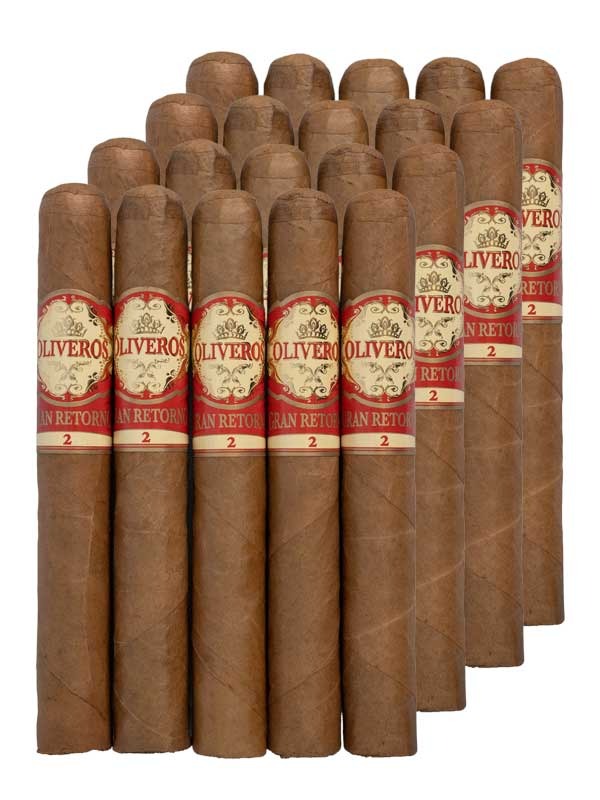
And this is the part a value smoker should sit up for, because I'm one of them, and because most cigar-lifestyle writing is product placement dressed up in adjectives and quietly skips it. You can get most of what the Signature does for a third of the money, if you know what you're reaching for. On the discount shelf as I write this, a Dominican Connecticut bundle from the Oliveros Gran Retorno line sits at about thirty dollars, and it does the cut-hay-and-cream trick with maybe half the finesse and none of the pedigree. A box of the Hoyo de Monterrey Excalibur Epicure, a Connecticut-shade Honduran that has outlived most of its imitators, runs a hair over fifty and hands you a cedar-and-cream morning cigar you'll actually finish the box of.
What you give up at thirty or fifty dollars is the margins, the quiet ones. The cheaper Connecticut burns a touch faster, wanders off its line the moment you set it down, and flattens in the last inch where the Signature keeps unfolding. Whether that gap is worth Davidoff's asking price is a question only your own wallet can settle, and I'd never pretend to settle it for you. If you'd rather browse by wrapper than by marquee name, the Connecticut Shade shelf is where these mild mornings live, and the fuller Excalibur No. V waits there for the days you want more spine without leaving the style. The rest of the catalog runs deep once you stop shopping by the loudest label.
| What you're weighing | Davidoff Signature 2000 | Value Connecticut |
|---|---|---|
| Body | Mild, and deliberate about it | Mild, sometimes by accident |
| Best for | A slow morning and your full attention | A yard cigar, a phone call, a first box |
| Box-to-box consistency | Near-clockwork | Good to fair, varies by batch |
| Roughly what it runs | Premium tier | $29.99 to $57.20 [shelf price, as of writing] |
| How to buy in | One single, never a box first | The bundle, so no tears over a dud |
The other end of the shelf, and why it's the wrong place to begin
Start at the strong end and you learn almost nothing about Davidoff. You learn that you like power, which you already knew. The whisky-barrel Winston Churchill Late Hour, the one newcomers reach for first because the story is so good, is a fine cigar and a poor teacher; our critic laid out what it does and doesn't earn in his notes on the whisky-barrel Late Hour, and even at its best it tells you more about barrels than about blending (a good trick, but a trick). The black-band Dominicana and the limited runs are the same trap in different clothes. They're loud enough that you'll credit the volume to the maker and never test the quieter claim underneath.
I keep a Signature 2000 band in a file box at home, filed with about two hundred others I've pulled off cigars since 2019. It isn't a beautiful band. White, a little gold, the name and not much else. But it's the one I point to when someone asks why a company that could sell you spectacle keeps making its quietest smoke its bestseller. The answer isn't in the marketing. The answer is on some porch, with the loud flavors nowhere in sight.
I came to all of this slowly, and only after being wrong about something next to it. Back in 2022 I argued in print that the post-pandemic lounge boom was real and durable. It wasn't. Five of the fourteen Southern lounges I'd profiled have since closed, and I owe the category a quieter, more careful eye than I gave it. That quieter eye is what turned me toward the Signature. The cigars that survive a room year after year tend to be the ones that don't shout. So do the lounges. So, it turns out, does the smoke I keep coming back to when nobody's performing.
Which end you should actually start on
So which is it for you? If you've never touched a Davidoff and you want to know what the name buys, don't start with a box and don't start strong. Buy a single Signature 2000, smoke it on a morning you can actually give it, dry-boxed a day if the shop keeps its sticks wet, and let your own mouth rule on whether the margins earn the money. If the answer is no, you've spent the price of a sandwich to learn it, and the easy-morning lane will keep you in cedar and cream for years. If the answer is yes, you now know something true about your own taste, and you can wander the wider field of makers from real knowledge instead of from hype.
Everything I've pointed you toward here sits on one storefront, and I'll say plainly why. When we link to a specific product, we link to a retailer our writers think charges a fair price for it. That's the whole arrangement. Back on the porch off Rutledge, the Amontillado finally gone warm, what struck me wasn't that the Signature was the best cigar I'd smoked that month. It wasn't. It was that an hour later I couldn't name a single loud thing about it, and I'd have happily lit another. The mild end isn't the beginner's compromise. It's the test most people skip on their way to the fireworks.
Sources & Notes
- Format and flavor notes on the Signature 2000 (a corona, blended with a higher share of Dominican piloto, described as the brand's bestseller worldwide) are drawn from Davidoff's own Signature 2000 product page.
- The White Band Collection positioning, pitched at "both experienced aficionados and beginners," and the "clean, balanced flavours of wood, earth" language come from Davidoff's Signature line page.
- Where these cigars are made is from Davidoff's Dominican production pages.
- Tasting notes, the pairings, and the March 2023 airport-lounge stick are my own, from a running cellar log I've kept on porches and off them since 2019.