Why do I keep reaching for a cigar that costs less than the pour beside it?
A wet Tuesday in Charleston, late March, the kind of afternoon where the marsh air comes in under the door of La Casa de los Habanos and nothing dries. I had a sweet tea going warm on the rail and an El Rey del Mundo Shade Grown Robusto I'd cut ten minutes earlier, letting it sit unlit the way I do when the weather's already slow. Nobody at the table asked what I was smoking. That's the first honest thing I can tell you about this cigar.
Because the ones people ask about are the ones with a story stapled on - the limited box, the auction band, the stick somebody drove two states to find. This isn't that. It's a Honduran robusto that runs a few dollars, and I've been buying it by the box since before I started writing about any of this. So the question isn't whether it's the best cigar on the shelf. It plainly isn't. The question worth answering is why I keep reaching past better-reviewed sticks to light one.
Short answer: value in a cigar isn't the price on the box. It's how many times you actually want to finish it. By that measure the El Rey has quietly outrun cigars that cost five times as much and sat in my humidor going stale while I waited for a night worthy of them. There are expensive sticks that earn the wait - the Fuente Hemingway is one, and I've made that case at length in a review of a four-inch Arturo Fuente that keeps selling out. Most don't. And the case for the everyday smoke over the trophy is one I keep coming back to, most recently in an argument for the ordinary cigar over the priciest one.
So what is the El Rey del Mundo Robusto, exactly - and which one do you mean?
Here's where the confusion starts, because there isn't one El Rey del Mundo Robusto. There's a family of them, made by General Cigar in Honduras and split mostly by wrapper. Ask for it at a counter and a good tobacconist will ask you right back: shade grown, natural, or oscuro? The answer changes the cigar more than the shared name lets on.
Three worth knowing, per the brand's own spec sheet:
| Line | Wrapper | Robusto size | What it's for |
|---|---|---|---|
| Shade Grown | Honduran Connecticut shade | 5½ x 50 | The mild one. A morning cigar, or any time you want to taste the coffee instead of fight it |
| Classic (the Natural) | Ecuadorian Sumatra | 5½ x 50 | The everyday one. More spine - earth and pepper |
| Oscuro | Connecticut Broadleaf oscuro | 5 x 54 | The dark one. Cocoa and espresso, an after-dinner smoke |
The brand calls the Shade Grown a Honduran puro and hangs a "creamy and spicy" descriptor on it. Most cigar-lifestyle writing is product placement dressed up in adjectives, and a value stick is exactly where that habit gets exposed - nobody flatters a five-dollar cigar for free, so when the marketing copy reaches for the same words it uses on a thirty-dollar box, you can test it yourself for the price of a sandwich. I've smoked enough of these to tell you the "creamy" holds up in the first third and the "spicy" arrives later than the box implies. But at least those words point somewhere true.
What does the Shade Grown Robusto actually taste like, start to finish?
Cold, off the foot, it smells like a barn that's been swept - hay and a little cedar, nothing sweet on the nose. The first third is where the "creamy" earns its keep: warm milk and toasted bread, a cedar edge on the retrohale, almost no pepper. If you drink coffee with your morning cigar, this is the wrapper that lets the coffee talk instead of shouting over it. I've handed one to people who swear they only smoke maduros and watched them go quiet and finish the thing down to a stub.
The middle third turns. A dry white pepper climbs up through the bread, and the cedar goes from soft to sharpened. So it isn't a one-note cigar, which is the usual trap with mild sticks - they start pleasant and end flat, and you spend the back half wishing you'd lit something else. This one adds a little tension right when you'd expect it to fade. Not fireworks. A gear change.
By the final third the pepper has settled into something closer to toasted nuts and burnt sugar, and the smoke thickens on the draw. Here's the honest caveat: the Shade Grown wants to be smoked a touch slow, and it wants to be kept dry. Store it too wet and the back third goes soggy and metallic, the pepper turning tinny instead of warm. That isn't the blend's fault. It's mine, for the years I kept everything at one humidity and wondered why the milder cigars suffered while the maduros didn't.
How is the Natural different from the Shade Grown?
The Natural (the Classic line, in an Ecuadorian Sumatra wrapper) is the one most old-timers mean when they say El Rey del Mundo. It carries more spine: leather up front, black pepper, a coffee-grounds edge that some people love and some people won't touch. Where the Shade Grown is a morning cigar, the Natural is what I reach for after lunch, when I've eaten something with fat in it and want a cigar that pushes back a little.
And this is the argument for buying the family instead of one box. Two wrappers, the same price band, and a genuinely different smoke depending on the hour and what you've just eaten. The brand's spec sheet says the Classic has been around forty years. That tracks. It smokes like a blend nobody's been allowed to modernize, and I mean that as the compliment it is.
Does it hold up over a box, or is that just nostalgia talking?
Both, if I'm honest with you. I've a real soft spot for this cigar, and a soft spot forgives a lot. So let me give you the failure up front, because a review that only flatters is the exact thing I keep saying I hate about the category.
In February 2024 I pulled a Shade Grown Robusto from a box I'd let ride too dry through a Charleston winter, lit it on the porch, and it cracked down the shoulder and burned uneven before I was halfway in. It wasn't the cigar's fault. It was a box that sat six weeks near a heat vent while I traveled, and a value stick with a thin, delicate wrapper is the first thing in any humidor to punish neglect. The expensive sticks with thick maduro wrappers shrug that off. The El Rey does not, and it will tell on you.
So the honest verdict on consistency is this: box to box, the blend is steady - steadier than plenty of pricier cigars I've reviewed, where one stick soars and the next one is a plugged draw you fight for twenty minutes and then set down. But the Shade Grown especially needs you to keep it around sixty-two percent and smoke it inside a season or two. Treat it like the cheap date it isn't, and it will embarrass you in front of company.
What do you actually drink with it?
Not chardonnay, and not because there's a rule against it. The Shade Grown is a morning-and-coffee cigar first - plain diner coffee, the kind that's gone a little burnt on the burner, which cuts the cream in the wrapper and makes the toasted-bread thing bloom. That's the pairing I'd defend to anyone who'd sit still long enough to try it.
If it's evening and I've got the Natural going, I want a bourbon with some rye in the mash (a Weller, an Old Grand-Dad if the shelf is thin) over one big cube (nothing precious about it, no sphere-mold theater). The pepper in the Ecuadorian Sumatra and the caramel in the whiskey meet somewhere in the middle and hold hands. I worked that out over a lot of slow nights at La Casa de los Habanos, not off a pairing chart. And the best match I ever hit with the Oscuro was an accident: black coffee and a square of dark chocolate somebody had left on the table at a wake, of all the places to learn something. The cocoa in that wrapper did the rest of the work.
What if your shop doesn't carry it?
It happens more than it used to. El Rey del Mundo isn't hard to find, but plenty of counters have thinned their value shelf to make room for boutique boxes with fatter margins, and the discount stick is the first casualty. If yours is one of those shops, don't overpay online to chase the exact band. Chase the format instead - a well-made, mild-to-medium bundle you can buy twenty at a time and never have to baby.
The closest stand-in I've smoked lately is the Oliveros Gran Retorno, a Nicaraguan bundle that lives in the same lane. The Connecticut version is the analog to the Shade Grown (the mild, morning-friendly one) while the Habano version leans a shade darker, closer to what the Natural does after a meal. Twenty to a bundle, under thirty dollars, which pencils out to about a buck and a half a cigar - the arithmetic a value smoker actually runs standing at the counter.
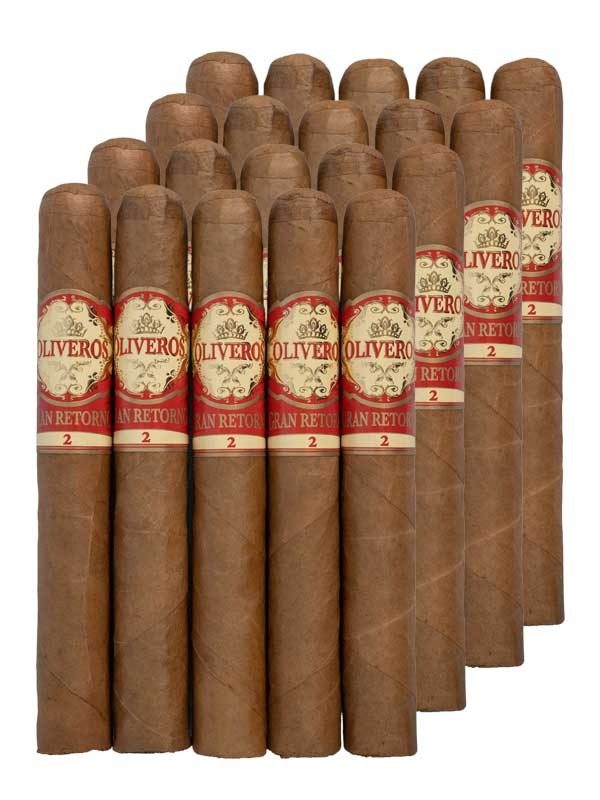
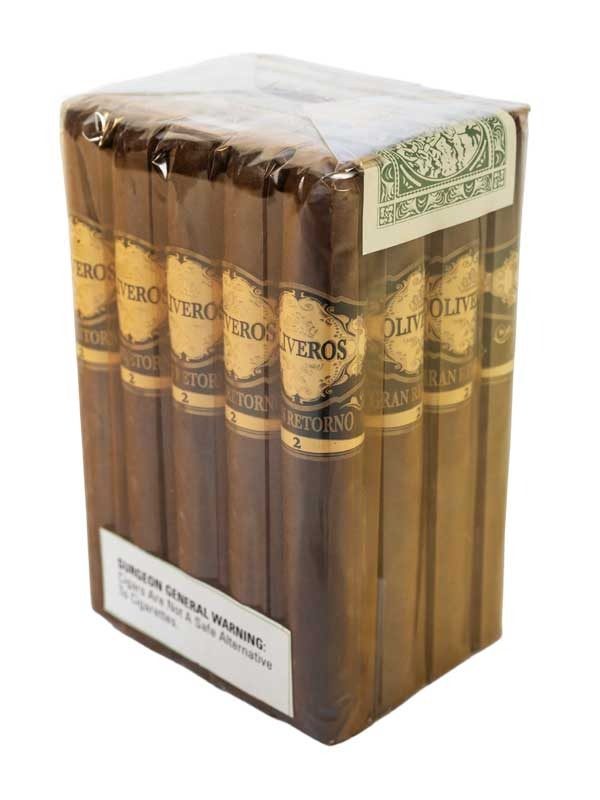
It isn't the El Rey. The construction runs a notch behind, and you'll pull the occasional loose one out of a bundle. But at that price you're allowed to, and that's the whole logic of this tier - you smoke it without ceremony, and you don't mourn the one that doesn't draw right. A cigar you can afford to waste is a cigar you'll actually smoke on a weeknight, which is more than I can say for the good stuff hiding in the back of my coolerdor.
So, is it worth a box?
Buy it. Not because it's the best cigar you'll smoke this year (it won't be, and I'd be doing the very thing I complain about if I told you otherwise. Buy it because it's the cigar you'll actually reach for, on the ordinary Tuesdays that make up most of a smoking life, and because a box of them costs less than a single stick of whatever you're saving for a night that keeps not arriving. Is that a knock on the expensive cigars? No) it's a knock on how we hoard them.
I got the durable-versus-fragile thing wrong once already, so I say this carefully. Back in 2022 I argued the post-pandemic lounge boom was durable and here to stay; five of the fourteen Southern lounges I profiled have since closed, and I've had to learn to tell what actually lasts from what merely looked good for a season. The cigars that last, it turns out, are a lot like the rooms that last. Not the flashiest. The ones with a working model underneath - a price you can repeat, a quality you can count on, no theater in place of substance.
The band came off my last El Rey the way it always does, and it went into the file room at home with the two hundred-odd others I've kept since 2019 - most of them peeled off cigars far more expensive and far less smoked. I don't photograph that one for pieces. It isn't much to look at. But it's the band from a box I've bought more times than any other on my shelf, and after a decade of writing about all of this, that's the closest thing to a rating I've come to trust.
Disclosure: When we link to a specific product, we link to a retailer our writers think charges a fair price for it. If the El Rey isn't on your usual shelf and you'd rather browse than hunt, the everyday-value catalog and the brand directory are where I'd start, and the wider selection rewards a slow scroll on a rainy afternoon.
Sources & Notes
El Rey del Mundo line and blend specifications (wrapper, binder, filler and vitola dimensions for the Shade Grown, Classic and Oscuro) from the brand's official spec sheet: elreydelmundocigars.com/our-cigars.
Brand positioning and line descriptions, El Rey del Mundo's official site: elreydelmundocigars.com.
General Cigar Company's El Rey del Mundo brand page, blend descriptions and current lineup: cigarworld.com.
Tasting notes are my own, drawn from boxes bought and smoked between 2019 and 2026, most recently at La Casa de los Habanos in Charleston.