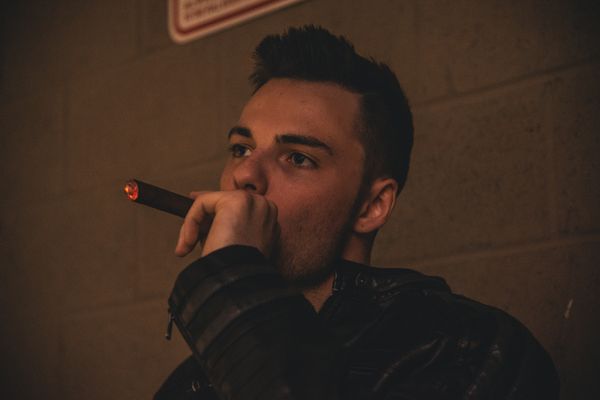
I smoked the cigar that started this column on a Thursday in late May, in the back corner of a friend's lounge with a glass of Wild Turkey Rare Breed going warm beside me. Two chairs down, a regular read me the year's Cigar of the Year shortlist off his phone like a man reciting scripture. He'd already bought four of the five sticks on it. He'd smoked exactly one of them, once, the week before.
That's the whole problem with the cigar of the year 2026 conversation in one sentence. The list moves boxes before anyone's actually judged the tobacco. So I want to do something different here. I'll walk through why the race is broken, why it stays broken, and how I track a contender before I'm willing to put a number on it.
The list is decided before the tobacco is judged
Most top cigars 2026 lists are built backward. A magazine smokes a stick at a manufacturer event, in a tent, with the blender standing four feet away and a rep refilling the glass (the room does half the reviewing, and nobody admits it). The cigar earns a glowing first impression and a provisional score. The score becomes a headline. The headline becomes shelf-talkers in a thousand shops. By the time you and I are smoking the thing on an ordinary Tuesday, with nobody watching and nothing free, the verdict's been frozen in print for months.
I spent eleven years on the floor at Cigare Royal in Montréal, and I watched this cycle run every winter. Regulars would come in clutching a phone, asking for the stick that placed third on somebody's list. Half the time it was a fine cigar. The other half it was tobacco that tasted nothing like the hype, and I had to walk a man toward something he'd actually enjoy without calling his favorite magazine liars to his face. That's a delicate piece of footwork. I got good at it because I had no choice.
The 2026 cycle's got the same shape. The Premium Cigar Association closed its PCA26 trade show in New Orleans on April 20, drawing 5,945 total attendees across 262 exhibiting companies, per the association's own post-show report. "Retailers came ready to buy, exhibitors came ready to innovate," PCA president Todd Naifeh said in that release. Both statements are true. Neither one tells you whether a single new blend on that floor is any good. The buying happens first. The judging, if it's honest, comes much later.
What a 92 used to be
Here's the part the trade press won't say at full volume. The 90-plus scoring inflation's made the whole system close to useless. Half the time, a 92 today is what an 86 was a decade ago. When every serious release lands somewhere between 90 and 94, the scale's stopped measuring anything. It's become a marketing range with a decimal point bolted on for the look of rigor.
When a rating ends in a 0 or a 5, that's usually a sign the reviewer wasn't paying close attention. Mine land on odd numbers, because the actual work of tasting puts you on a specific score and not a round one. A round number's a guess wearing a lab coat.
The inflation feeds a second bad habit, and this one I'm guilty of myself. In 2021 I gave a Liga Privada Único Serie the Dirty Rat a 93 after a single smoke at a Drew Estate event. Good night, genuinely fine cigar in that room. Then I bought a box and worked through five more across the next year. One stick from that 2021 box smoked plugged from the first third, a tight draw I couldn't fix even after two weeks resting at 65% RH, with a flat middle and ash that flagged off the foot before the band. The box averaged 87. The lesson stuck hard: one cigar's not a review. I haven't published a number on fewer than three from the same box since.
So when you read that some brand-new 2026 release is already a top rated cigar, ask the obvious questions. From how many sticks? Smoked where? Paid for by whom? The answer, more often than the magazines would like you to know, is one, somewhere flattering, and not by the reviewer.
Why the race stays broken
It stays broken because everyone in the chain's paid to keep it that way. The manufacturer needs a high score to justify a limited run and a higher price. The magazine needs the manufacturer's ad pages, which makes a low number on a flagship release an awkward conversation. The shop needs a shelf-talker that closes the sale in ten seconds. And you, standing at the humidor with forty unfamiliar bands in front of you, genuinely want someone to tell you which one's worth your money. Nobody in that loop's rewarded for saying "wait a year and smoke three."
There's a money problem layered on top of it, too. Premium-cigar price-to-quality above $20 is broken, and almost nobody's saying it loudly. I've smoked eleven-dollar boutique sticks this year that walked clean circles around $35 brand-name boxes, and the only reason the expensive ones keep moving is that the score on the shelf-talker told a nervous buyer they were safe. The cigar of the year contenders that deserve your attention are rarely the ones with the biggest marketing budget behind them. They're the ones a working palate keeps reaching for when no one's taking notes.
How I track a contender: three from the box, or no number
I keep a humidor log (since 2019, more than 700 cigars written up by hand, each one with the conditions noted - temperature, humidity, what I'd eaten, what I'd drunk, who was at the table). I started it precisely because memory lies and the room flatters the cigar in front of you. The method that came out of it is boring on purpose, and boring's the point.
- Buy three from the same box, on my own money, from a shop that actually turns its inventory. A stale stick off a slow shelf will lie to you about the blend.
- Smoke them across different days and different drinks. A cigar that only shines next to bourbon and falls apart with coffee's a narrower cigar than its score suggests.
- Walk each one through four passes, cold draw to final third, and write the notes down before I talk to another soul. Other people's impressions are contagious, and I don't want the infection.
- Average the three. If the scores spread more than three points, the cigar's inconsistent, not "complex," and the number goes down, not up.
That last rule's the one I'd tattoo on the trade if I could. Most cigars people call complex aren't complex. They're inconsistent, and reviewers confuse the two. A genuinely layered smoke hands you the same arc of transitions every time you light it; an inconsistent one hands you a different stick on Tuesday than it did on Sunday, and a generous reviewer calls that range "complexity" instead of naming what it really is. I ran a blind panel for a while (the 2023 Tasting Group Quarterly - twelve reviewers, four blends a session, scores averaged), and the data said the same thing every quarter. The sticks that scored highest weren't the loudest. They were the most repeatable.
The 2026 sticks I'm actually following
So here's where my own money's going this year, with the caveat that on most of these I'm still inside my own three-from-the-box rule and won't hang a number until I clear it.
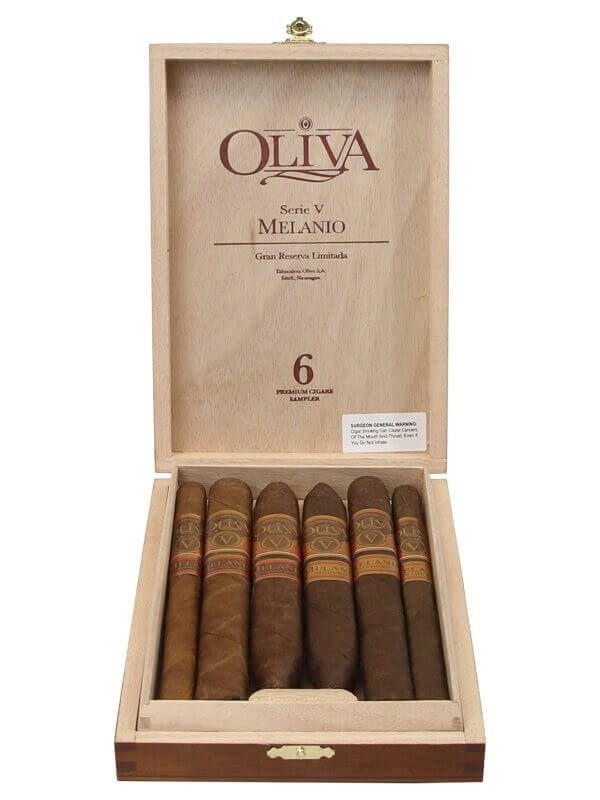
The Oliva Serie V line's where I'd point anyone hunting a real contender for the price. Oliva spent PCA26 showing a new Serie V Melanio limited, and the standard Melanio's still the cigar I hand a skeptic who thinks the $20 tier is where quality starts. If you want to track it across vitolas without committing to a full box, the Oliva Serie V Melanio sampler is the honest way in, and I've written at length about why this family of blends keeps outpunching its price.
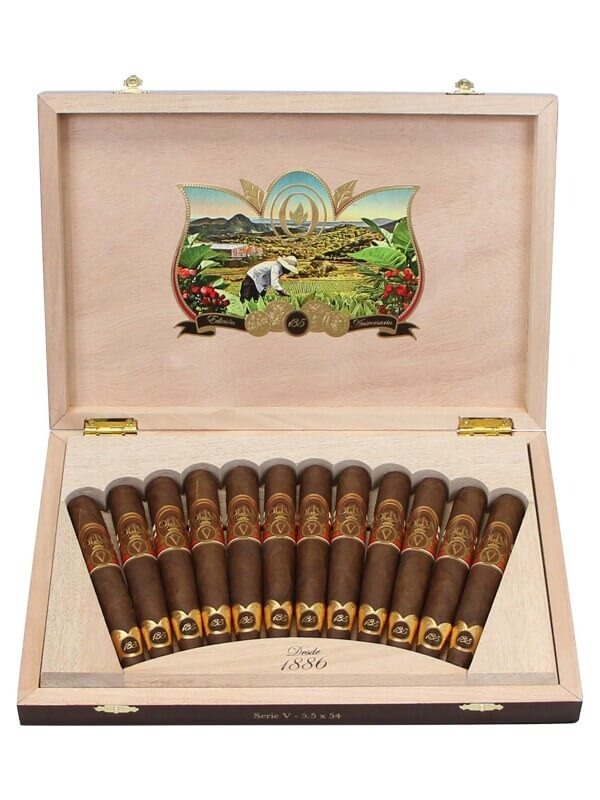
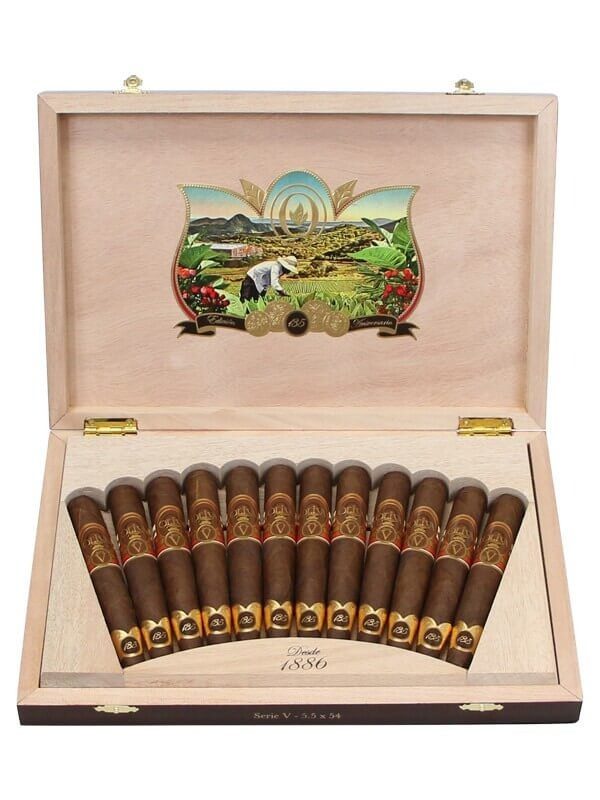
For the limited-edition watchers, the Serie V in its larger formats is the line to keep an eye on, and the brand's 135th Anniversary Edicion (a 5 3/4 x 54 perfecto under an Ecuadorian Habano wrapper) is the kind of release that earns a tracking slot, not an instant verdict. It's a perfecto, which means the burn's a project and the first inch tells you nothing. I'll smoke three before I say a word about whether it belongs on anyone's top cigars 2026 list.
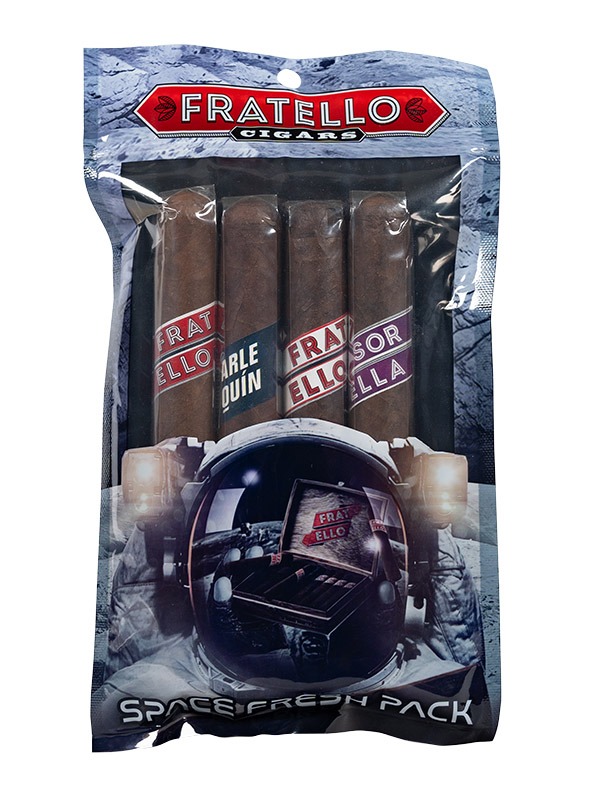
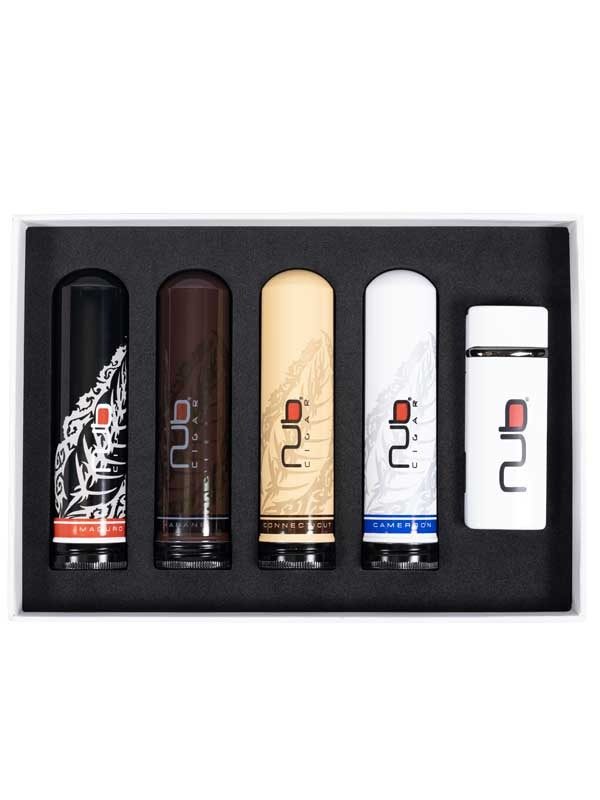
If you want a lower-stakes way to read Oliva's hand across strengths, the Nub by Oliva sampler is a useful flight, and the Nub Habano 4x66 in particular is a short, stout format that concentrates the flavor instead of stretching it thin over seven inches. The Serie O torpedo is the value end of the same house, and a fine place to learn the Oliva profile before you spend on the limited stuff.
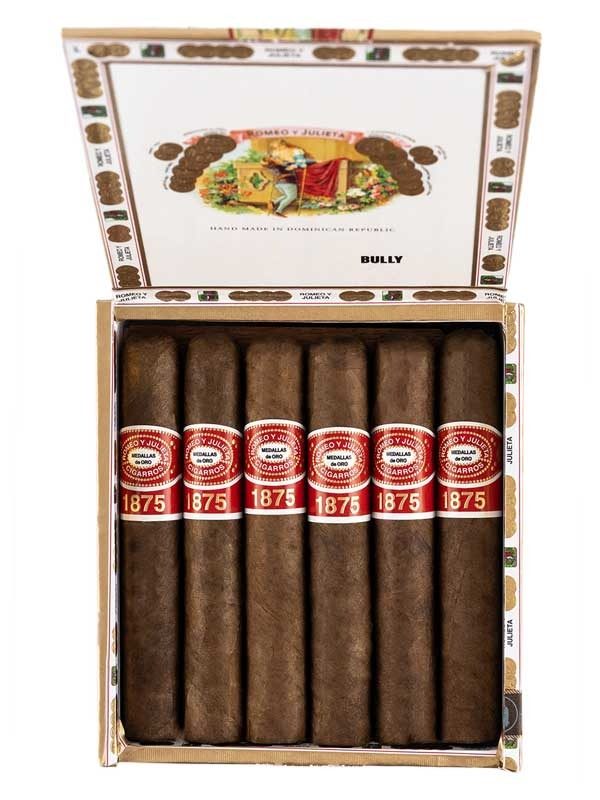
On the bigger-factory side of the race, Altadis put real effort into the Romeo y Julieta Reserva Real Nicaragua Profundo, which (per the Premium Cigar Association's PCA26 release) wears a Nicaraguan Oscuro wrapper and was developed by AJ Fernandez and Rafael Nodal. It's shipping now. I haven't cleared my three sticks on it yet, so no number, but the pedigree's real. If you want a softer, more affordable Romeo to sit with in the meantime, the brand's Romeo y Julieta 1875, with its silky Indonesian wrapper over Dominican fillers, is a mild everyday smoke, all cedar and light nut, that asks nothing of you. It won't win cigar of the year. It was never trying to.
And one note on the show itself, because it bears on which 2026 contenders get oxygen. The PCA handed out its Best of the Leaf Awards in New Orleans and premiered a "Hand Rolled: Padrón" session, per the association's preview. Padrón doesn't chase scores. It never has. If you want to understand why a Padrón sits outside the inflation problem entirely, my walk through the 1964 Anniversary Maduro gets at it from the bench. The regulatory weather matters here too; if you're wondering how the latest federal cigar ruling reshapes what even reaches your local humidor, that piece is the map.
When we link to a specific product, we link to a retailer our writers think charges a fair price for it. That's the entire arrangement. No store name in the prose, no sale to push, just a fair shelf.
So here's my verdict, and like every review it lands on one of three words. Buy it, age it, skip it (every review ends with one of those three. Buy the Melanio sampler and learn what $20 actually buys when the blend's honest. Age the 135th perfecto if you find it, because limited Olivas reward a year in the box and punish impatience. And skip the shortlist) not the cigars on it necessarily, but the ranked-and-scored certainty of the thing. The real cigar of the year 2026 won't announce itself in April. It'll be the stick you keep reaching for in November, on a Tuesday, with nobody watching and no number attached, because your hand already knows what your scorecard hasn't caught up to yet.
Sources & Notes
- Premium Cigar Association, "The Premium Cigar Association Concludes a Successful PCA26 Trade Show in New Orleans" - attendance (5,945), exhibitor count (262), and the Todd Naifeh quote: premiumcigars.org
- Premium Cigar Association, "Altadis U.S.A. Showcases New Releases Ahead of PCA26 Trade Show" - Romeo y Julieta Reserva Real Nicaragua Profundo wrapper, blenders, and shipping status: premiumcigars.org
- Premium Cigar Association, PCA 2026 trade show preview - the Best of the Leaf Awards and the "Hand Rolled: Padrón" premiere: premiumcigars.org
- Author's humidor log, 2019-2026 (700+ entries) and the 2023 Tasting Group Quarterly blind-panel archive - the Liga Privada Dirty Rat scoring revision and the three-from-the-box method above come from first-hand tasting notes.